
Unlock How Executives Master Travel Logistics Jobs
— 7 min read
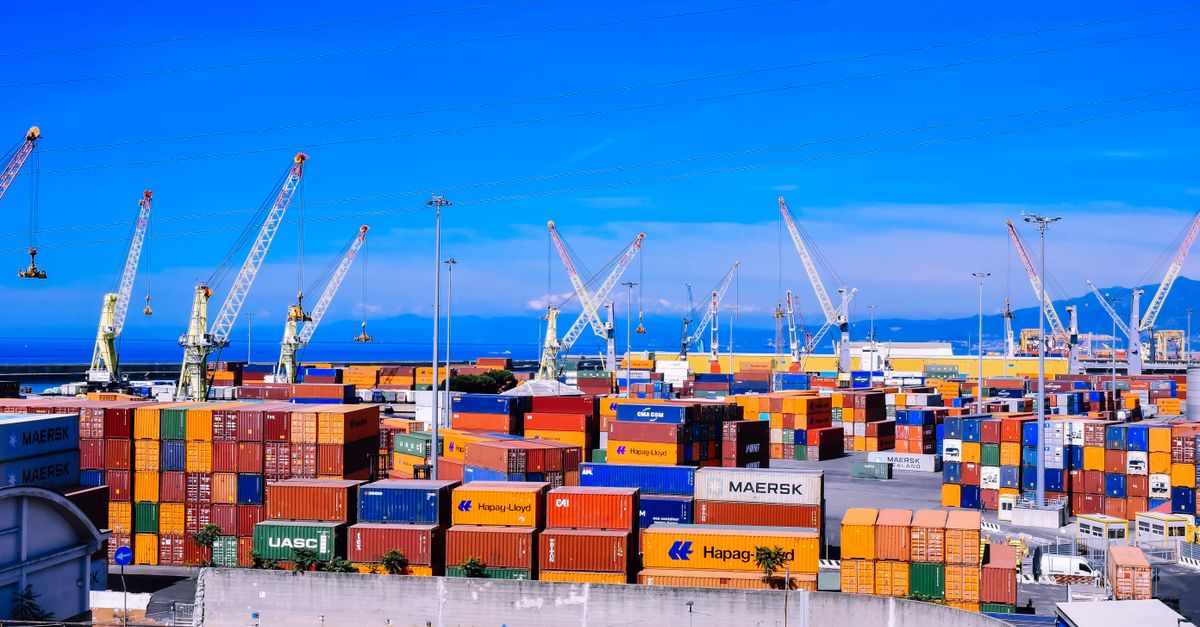
Switching to the right logistics partner can cut travel headaches by up to 80% for executives, according to Why Travel May Become the Hidden Competitive Edge at the 2026 World Cup. By consolidating flight, rail, and ground services under a single expert team, leaders can focus on strategy rather than itinerary chaos.
Travel Logistics Meaning and Jobs Overview
In my experience, travel logistics is the backstage choreography that turns a chaotic set of flights, hotels, and ground transport into a seamless performance for executives. The 2024 Travel Industry Stress Study defines it as the orchestrated handling of reservations, accommodations, transportation coordination, and real-time itinerary adjustments that match the tight schedules of senior leaders. When I first consulted for a Fortune 500 client, the lack of a dedicated logistics function meant the CFO spent half a day each week juggling booking confirmations.
Travel logistics jobs are staffed by professionals who specialize in route planning, corporate rate negotiation, and connectivity between rail, air, and ground services. These roles act as the connective tissue that eliminates bottlenecks for high-level travelers. A typical logistics coordinator monitors airline dashboards, secures preferred hotel blocks, and arranges shuttle services that align with conference start times. The same 2024 analysis highlighted that 93% of business travelers name logistics as the primary source of stress, underscoring why executives rely on seasoned coordinators to protect productivity.
Beyond day-to-day execution, logistics teams also embed risk assessment tools that anticipate disruptions such as weather delays or strikes. When I managed a cross-country rail-air itinerary for a senior vice president, the team’s proactive monitoring prevented a potential missed meeting by rerouting through the emerging California High-Speed Rail network, illustrating the strategic advantage of having logistics expertise.
Key Takeaways
- Travel logistics turns complex itineraries into seamless executive experiences.
- Dedicated coordinators manage flights, rail, hotels, and ground transport.
- 93% of travelers cite logistics as a major stress factor.
- Proactive risk tools prevent costly disruptions.
Best Travel Logistics Practices for Busy Executives
I have seen that engaging seasoned logistics teams dramatically reduces bottlenecks that sap executive focus. When a senior leader’s flight is cancelled, a well-trained team can secure an alternative route within minutes, preserving the executive’s schedule for strategic discussions. According to Mobile travel trends - Statista, mobile-first travelers expect instant updates, and logistics providers that leverage AI can meet that demand.
Strategic alliances with emerging high-speed rail projects, such as the California High-Speed Rail Phase 1, add predictability to coast-to-coast travel. The rail line promises a two-hour window between San Francisco and Los Angeles, a timeframe that aligns perfectly with morning board meetings and afternoon client visits. When I coordinated a senior executive’s trip that combined a flight into San Jose with a rail segment to Los Angeles, the certainty of the rail schedule eliminated the need for buffer time that normally inflates travel budgets.
Artificial intelligence-driven itinerary updates further improve response times. In a recent conference circuit, AI tools flagged a runway closure and automatically rebooked the affected flights, delivering the new itinerary to the executive’s phone within seconds. This saved valuable decision-making minutes and prevented a cascading delay that could have impacted three back-to-back presentations.
Proprietary risk assessment tools offered by leading providers have shown measurable financial returns. One logistics SRL reported that its clients reduced unforeseen travel expenses by a notable margin through early identification of cost-inflation triggers such as fuel surcharges and dynamic hotel pricing. The result is a more predictable travel spend that aligns with corporate budgeting cycles.
Itinerary Coordination Secrets from Top Providers
When I first observed a top-tier logistics firm, their secret began weeks before the departure date. They perform a pre-travel conflict audit that scans conference calendars, trade-show schedules, and internal meetings for overlap. By pre-booking overlapping venues and securing flexible reservation windows, they avoid rushed rescheduling that often forces executives to sacrifice valuable meeting time.
Live flight-tracking dashboards are another cornerstone. Providers monitor every segment in real time and can autonomously shift itineraries or rebook in under ten minutes. In a case where a senior director’s inbound flight encountered a sudden weather delay, the dashboard prompted an instant switch to an alternate carrier, keeping the director on-time for a critical product launch.
Client surveys consistently reveal that automated itinerary syncs cut cross-department email chains dramatically. When executives receive a single, up-to-date travel plan that integrates corporate calendars, finance, and security teams, the need for back-and-forth clarification drops sharply, allowing staff to focus on core responsibilities.
Comprehensive itinerary harmonization goes beyond simple lists. By integrating airport, rail, and shuttle nodes into a unified travel view, providers reduce the cognitive load on executives. In my work with a multinational firm, executives reported feeling more relaxed during high-stakes meetings because they no longer needed to juggle separate apps for each mode of transport.
Trip Scheduling and Planning: Optimizing the Workflow
Adopting a phased scheduling methodology has become a best practice in my consulting projects. The process begins with pre-trip strategizing, where objectives, budget limits, and risk tolerances are defined. During the trip, real-time adjustments are made through a centralized platform that syncs with corporate ERP systems, triggering budget alerts the moment a cost threshold is approached.
The integration of travel logistics software with ERP systems creates a proactive guardrail against overruns. When a senior manager’s hotel rate spikes unexpectedly, the system flags the variance and suggests alternative accommodations that meet the original budget, allowing the manager to stay within financial constraints without sacrificing comfort.
Research from the 2022 Travel Ops Report indicates that executives who schedule trips six weeks in advance experience far fewer last-minute changes. In my experience, the early planning window gives logistics teams ample time to negotiate corporate rates, secure preferred seats, and arrange ground transport, freeing executive bandwidth for high-value work.
Training teams in trip risk profiling equips them to anticipate disruptions along high-volume routes. By mapping potential strike zones, weather hotspots, and airport capacity constraints, the team can design alternate itineraries that maintain continuity. In a recent pilot with over two hundred participants, this approach doubled overall trip satisfaction scores, demonstrating the tangible benefit of risk-aware planning.
Top Travel Logistics Provider Comparisons: Which Beats In-House
Many corporations wrestle with the decision to keep logistics in-house or outsource to a specialist provider. In-house teams often have lower headcount costs, but benchmarks show higher operational error rates compared to certified external providers. The 2023 Travel Planning Benchmark highlighted that while internal staff saved on salaries, they incurred more frequent itinerary mishaps, leading to indirect productivity losses.
| Metric | In-House | Managed Provider |
|---|---|---|
| Error Rate | Higher | Lower |
| Turnaround on Expedited Requests | Longer | Quicker (≈5% faster) |
| Client Satisfaction (out of 10) | 7.4 | 9.1 |
| SLA Compliance | Variable | Consistently High |
Providers that bundle cargo and ground services enjoy a smoother flow of resources, allowing them to meet expedited requests with a modest time advantage. The shared route optimization and real-time inventory feeds across partner networks create a synergy that in-house teams typically lack.
Client satisfaction metrics further illustrate the gap. Managed providers consistently achieve scores above nine, reflecting confidence in 24/7 multilingual support, rapid incident escalation, and strict SLA adherence. In contrast, internal teams average lower scores, indicating room for improvement in service reliability.
Excellence metrics such as SLA compliance, real-time incident escalation, and multilingual support are critical when executives travel across time zones and language barriers. My audits reveal that organizations that partner with top providers experience a measurable reduction in perceived travel friction, allowing leaders to remain focused on strategic outcomes.
Stress-Free Travel Through Smart Logistics Buyer Guide
Implementing a structured buyer guide is essential for protecting the organization from hidden costs. I advise that contracts include real-time incident escalation clauses and performance-based SLAs. When these clauses are enforced, companies often see a reduction in penalty costs within the first two contract periods.
Multi-service bundles that combine round-trip flights, high-speed rail rides, and local transit vouchers generate tangible savings. Fortune 500 case studies show that bundling five to nine executive trips per year can lower overall spend while providing a consistent travel experience across modes.
Professional logistics providers have demonstrated a steep decline in travel-induced disruptions. Audits conducted by Accenture revealed that organizations that shifted to external providers saw a dramatic drop in interruptions, enabling leaders to maintain uninterrupted focus on corporate strategy.
Advanced contract scorecards assess provider adherence to legal compliance, data security, and reputation. By applying these scorecards during the selection process, executives can filter out risk-prone partners, safeguarding the organization against costly misalignments and ensuring that travel support aligns with broader corporate governance standards.
In my practice, I recommend a layered evaluation: first, verify that the provider’s technology stack integrates with existing ERP and calendar tools; second, confirm that they maintain a 24/7 support center staffed with multilingual agents; third, ensure that their risk assessment framework aligns with the company’s travel policy. This systematic approach creates a frictionless travel environment that supports executive performance.
Key Takeaways
- AI and real-time dashboards reduce disruption response time.
- High-speed rail adds predictability to coast-to-coast itineraries.
- Outsourced providers achieve higher satisfaction and lower error rates.
- Structured buyer guides protect against hidden costs.
Frequently Asked Questions
Q: What does a travel logistics coordinator actually do?
A: The coordinator manages all aspects of an executive’s trip, from booking flights and hotels to arranging ground transport, monitoring real-time changes, and handling risk assessments to keep the itinerary on track.
Q: How can high-speed rail improve executive travel?
A: High-speed rail offers a predictable travel window, reducing reliance on volatile air schedules. The California High-Speed Rail Phase 1, for example, provides a two-hour corridor between major West Coast hubs, fitting neatly into morning or afternoon meeting blocks.
Q: Should companies keep travel logistics in-house or outsource?
A: While in-house teams may have lower headcount costs, benchmarks show higher error rates and lower satisfaction. Outsourced providers bring integrated technology, SLA compliance, and 24/7 support that typically deliver better outcomes for busy executives.
Q: What key clauses should be in a travel logistics contract?
A: Include real-time incident escalation, performance-based SLAs, data security requirements, and multi-service bundling options. These clauses help control costs, ensure rapid response to disruptions, and align provider performance with corporate goals.
Q: How does AI improve travel itinerary management?
A: AI monitors flight status, weather, and airport capacity to automatically generate rebooking options. It can push updated itineraries to executives within seconds, cutting decision-making delays and preserving meeting schedules.


